Our Journey With Maine Coons
Our deep connection with Maine Coons at Feather Hill Maine Coons started unexpectedly with a rescue cat named Cash. He was a Maine Coon/Siberian mix who came from a troubled breeding situation at just four months old. At that time, we were active in rescue work, offering our farm as a sanctuary for animals in need. Cash quickly became part of our family, and his arrival sparked a lifelong passion for the breed. What began as an act of compassion has now evolved into a dedicated breeding program.
The Inspiration Behind Our Name
Our cattery, "Feather Hill Maine Coons," is inspired by our farm's name, Feather Hill Farm. Our founder’s background in avian genetics and breeding has greatly influenced the way we approach the breeding of our Maine Coons. Though our founder is now retired from working with birds, they have a respected reputation in the field, having bred Croad Langshan poultry, a rare breed recognized internationally. Now, we're thrilled to focus on a new chapter of our life, raising and breeding these magnificent Maine Coon cats.
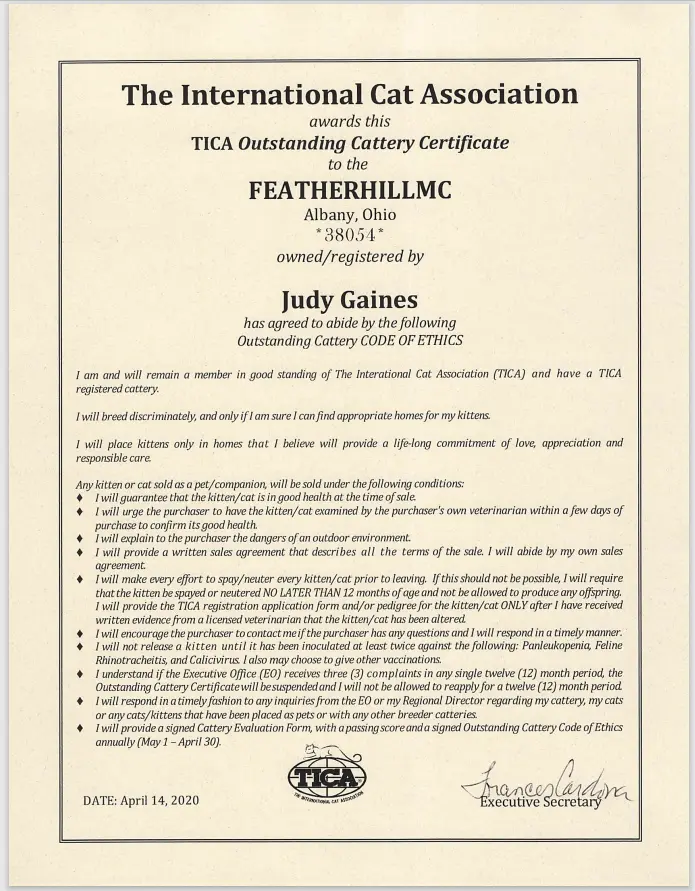
TICA Code of Ethics Registered Cattery
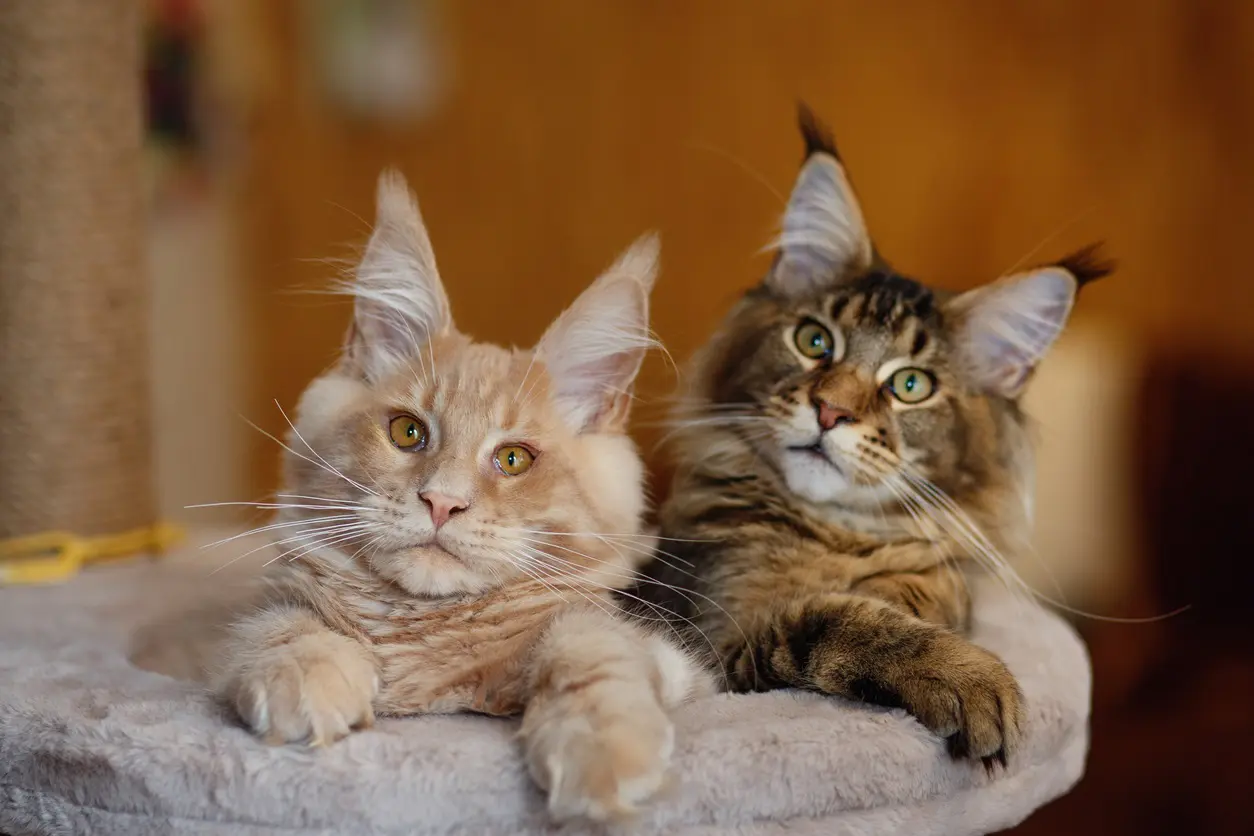
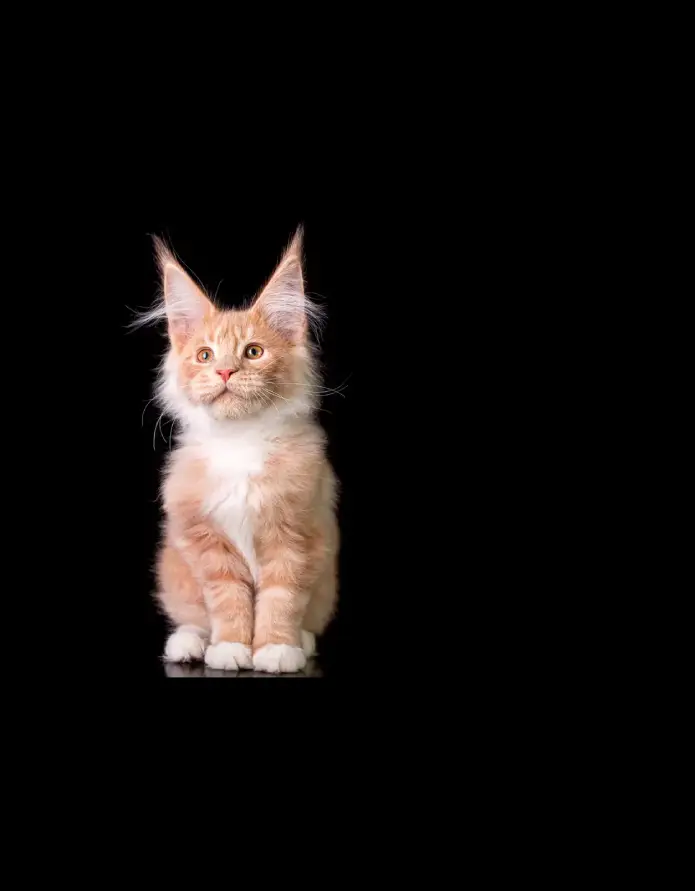
As a proud TICA Code of Ethics cattery, we are committed to maintaining the highest standards of health and care for our Maine Coons. Our cattery is located on 44 acres of picturesque land in Southeast Ohio, where our cats live directly with us in our home, enjoying a loving and spacious environment. Every Maine Coon in our care is treated as a beloved family member, and we ensure they receive the attention, care, and respect they deserve as Gentle Feline Giants.
DNA and Testing
What We Test
Hypertrophic Cardiomyopathy (HCM) is a heart disease that can affect all cats, including Maine Coons. It is caused by a mutation in the MyBPC3 gene, which we can DNA test for. Cats with two copies of the affected gene (one from each parent) have a very high risk of developing HCM, while those with one copy may remain healthy for life some cats, will present at about 4–5 years old. Regular ultrasound screenings (echocardiograms) are strongly recommended for all breeding cats. Approximately 5-25% of Maine Coons carry the mutation, and 5-15% will develop HCM(HCM1-A31P) in their lifetime. By breeding tested lines, we reduce the risk of passing on HCM to future generations.
Spinal Muscular Atrophy (SMA) is a rare and serious disease affecting Maine Coons, with an occurrence rate of about 1 in 7,000 cats. Only cats with two copies of the defective gene (homozygous positive) will develop SMA. We test all our breeding cats to ensure they are not carriers of this gene, helping us avoid the risk of passing SMA to the kittens.
PK-deficiency is a recently discovered genetic condition in Maine Coons and other breeds. Around 15% of Maine Coons carry the mutation for this condition. Testing for PK-deficiency is straightforward, and only cats with two copies of the gene (homozygous positive) are affected. We ensure that none of our breeding cats are carriers of this gene by testing them, and avoid breeding carrier-to-carrier to ensure the health of future generations.
Blood type B is a recessive trait that occurs in about 3% of Maine Coons, while 15% are carriers of the gene. While blood type B is not a disease, it can cause serious problems when a queen with blood type B mates with a male of the same type. This can lead to complications for the kittens, such as neonatal isoerythrolysis. To prevent this, we test all our breeding cats for blood type to ensure compatible matings and prevent breeding issues.
Polycystic Kidney Disease (PKD) is a dominant-inherited condition characterized by the formation of cysts in the kidneys. These cysts increase in size and number over time, potentially leading to kidney failure. Although PKD may not be clinically evident until the cat is older, we test all of our breeding cats for PKD to ensure that they do not carry the gene for this disease, ensuring the health of our kittens.
Hip Dysplasia (HD) is a hereditary condition that affects the hip joint, especially in larger cat breeds like the Maine Coon. While some cats may have mild HD and live comfortably with it, severe cases can lead to painful and disabling arthritis. We test for HD by conducting hip X-rays on all our breeding cats at the age of 1, and we retest them annually until they are 4 years old. By breeding cats with healthy hips, we minimize the chances of passing on HD to their kittens. Approximately 10% of Maine Coons have moderate or severe HD, which is why we carefully select breeding cats based on their health scores.
FAQ
or fill out pre qualification document
Kitten Questionnaire
Kitten Questionnaire
Get in Touch
Contact us today to learn more about our available kittens, our breeding practices, and how we ensure the health and well-being of every cat. We're here to answer your questions and help you find your perfect furry companion.